Client-Centred Case Management within the North of England at ECMS
Case Management at ECMS takes a collaborative and comprehensive approach to assess, plan, implement, co-ordinate, monitor and evaluate the resources and services required to meet our clients’ needs.
We provide individualised packages of support to children and adults who have a range of needs as a result of cerebral palsy, traumatic brain injury and other neurological and physical conditions, including spinal injury.
We co-ordinate wider teams of professionals including therapists, education professionals, psychologists and psychiatrists and liaise with colleagues in the NHS and social care to ensure the optimum support and rehabilitation outcomes for our clients.
What do we do?
- Identify the client’s needs and make recommendations
- Work with the client / client’s family to implement a plan
- Use current research and best practice to guide case management intervention
- Identify and commission the most appropriate services to meet the client’s needs
- Aim to be client-centred at all times
- Develop a positive working relationship with the client and family
- Regularly review and report on progress to the client, family, professionals and legal team
- Work continually to achieve optimum clinical outcomes cost-effectively
Who do we support?
Our Case Management team at ECMS cover the North of England.
Please be aware that we only accept Case Management referrals for children/young people/adults who have a medical negligence or legal case – referrals should come from a solicitor or, if the case has settled, a financial deputy or the person’s representative such as a parent or guardian.
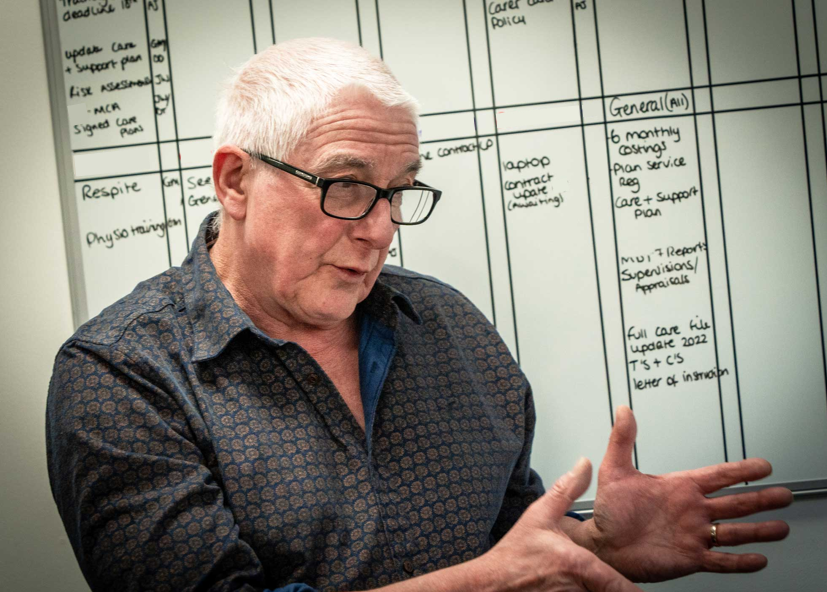
John Walker
Director and Brain Injury Case Manager
The Case Management team at ECMS is headed by Brain Injury Case Manager, John Walker.
“As one of the most senior and experienced Case Manager practitioners within the region, my work involves a creative approach to problem solving, working with great integrity, and displaying a relaxed and confident approach when dealing with highly complex cases.
My management style relies heavily upon the Social Model of Disability; I ensure that all relevant psychological, emotional and social factors are incorporated within Case Management assessments and clinical problem solving. Likewise, my thorough understanding of these key guiding principles enables effective tactical and strategic planning to take place, with the objectives of maximising positive client outcomes and providing safe, effective, well-managed and cost-effective services.”